Have you ever considered how a bustling bar can serve perfect sodas in mere seconds? All while keeping costs down and storage space to a minimum? This practical guide delves into commercial bar soda gun systems commonly used in U.S. bars, restaurants, cinemas, and convenience stores. It highlights how a soda gun for bar service can dramatically improve speed, reduce per-serving costs, and optimize storage compared to traditional cans and bottles.
Learn more about Soda Gun Machine
We will explore system types, including post-mix and pre-mix, and their core components like Bag-in-Box syrups, CO2, chilled water, and carbonators. You’ll also learn about dispensing options ranging from handheld bar soda guns to fountain towers and draft arms. The guide will also shed light on cooling choices—cold plate versus mechanical refrigeration—and the practical steps for reliable installation and maintenance.
Why A Commercial Bar Soda Gun System Is Worth Installing
A commercial bar soda gun system can transform service speed, storage efficiency, and profit margins for your venue. Post-mix setups combine concentrated syrup, CO2, and chilled water to offer drinks at a significantly lower cost than cans and bottles. This method is ideal for bars, restaurants, cinemas, and convenience stores that require fast, consistent pours.
Profitability and cost-per-serving advantages
Post-mix supplies significantly reduce costs. A 5-gallon Bag-in-Box of syrup can make about 30 gallons of finished drink at a 5:1 ratio. This reduces the cost per serving to mere cents for a 32-oz pour, while retail prices often exceed $2.50. With a soda gun bar setup and efficient portion control, operators can achieve margins of 80–90%.
Service speed and operational efficiency
A soda dispenser or handheld bar gun soda can accelerate service. Staff can pour multiple drinks without leaving the line, reducing wait times during busy periods. This efficiency supports combo deals and higher table turns, increasing average checks and throughput in peak hours.
Space-saving benefits compared with cans and bottles
Bag-in-Box containers are compact and shelf-stable, replacing the need for large pallets of cans and refrigerated tanks. This frees up back-of-house space and reduces refrigeration costs. While pre-mix kegs are suitable for low-volume or niche flavors, a bar soft drink dispenser is generally better for high-volume sites with limited space.
Fit for different venue types
Post-mix soda gun systems are well-suited for medium-to-high-volume environments like gastropubs, stadium concessions, quick-service restaurants, and multiplexes. For mobile operations such as catering trucks or pop-ups, pre-mix cans or small pressurized tanks might be simpler, despite higher per-serving costs. Self-serve venues might prefer all-in-one ice and beverage dispensers, while staffed bars benefit most from a soda gun bar or bar gun soda rig.
The choice of a soda gun bar system depends on volume, menu strategy, and available space. When aligned with operational needs, a bar soft drink dispenser offers better margins, faster service, and a smaller footprint than bottled or canned alternatives.
How Commercial Bar Soda Gun Systems Work
A commercial bar soda gun system combines pressurized gas, chilled water, and concentrated syrup to create consistent fountain drinks. This section explains the mixing methods, essential components, dispensing options, and cooling choices. It helps operators select the right equipment based on volume and layout.
Post-mix versus pre-mix basics
Post-mix systems mix Bag-in-Box syrup with carbonated water at the point of dispense. They use concentrated syrups, offer a low cost per serving, and allow for easy flavor changes. The typical ratio is about five parts water to one part syrup.
Pre-mix systems, on the other hand, ship ready-to-serve drinks in pressurized tanks or 5-gallon Cornelius kegs. These are plug-and-play, reducing setup time. Yet, they have a higher per-serving cost and require refrigerated storage space.
Core components: syrup (Bag-in-Box), CO2, chilled water, carbonator
Bag-in-Box containers provide concentrated flavors to the dosing valves. One 5-gallon Bag-in-Box can make many gallons of finished beverage when mixed on-site.
CO2 tanks pressurize the system, carbonating water through the carbonator. Regular CO2 checks and leak inspections are essential to avoid service interruptions.
Filtered, chilled water protects valves and preserves taste. The carbonator injects CO2 into this water, making soda water that the post-mix valve blends with syrup.
Dispensing options: handheld guns, towers, and draft arms
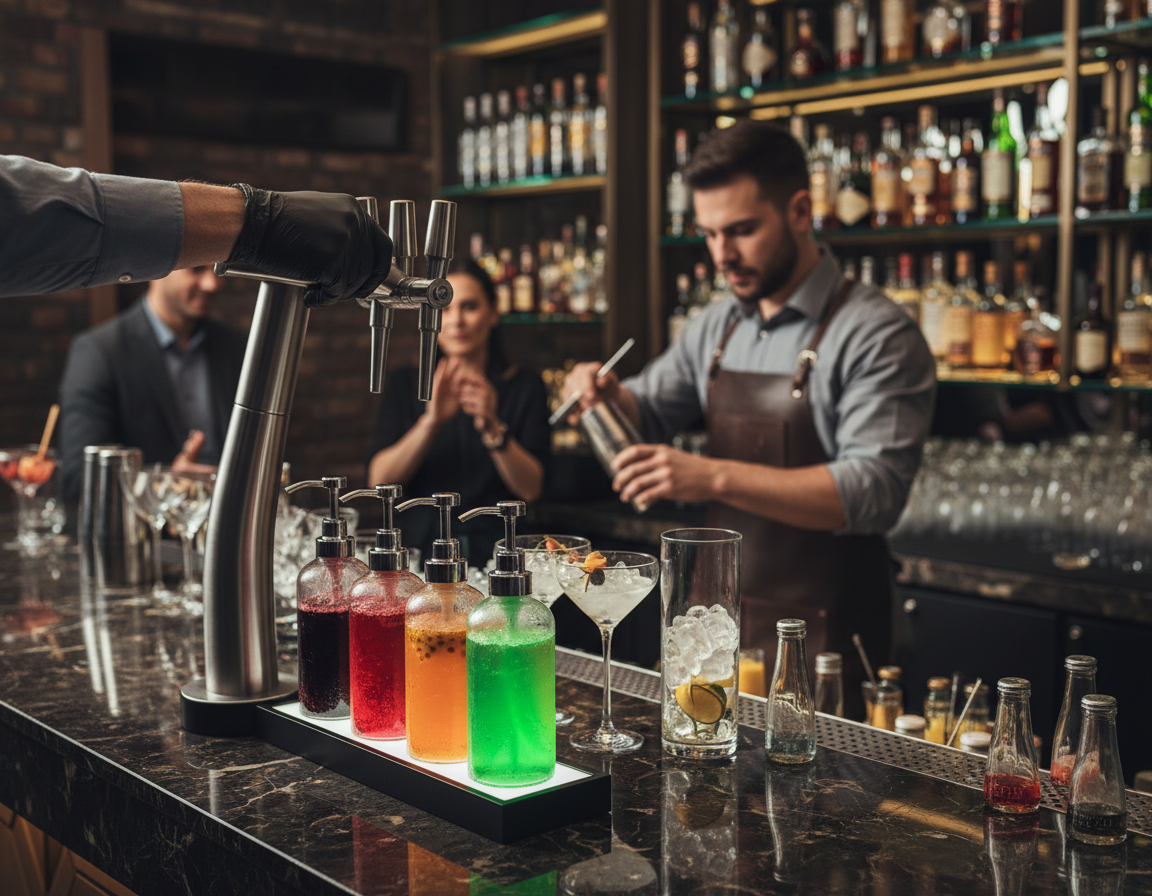
Handheld soda guns are ideal for busy bars. Bartenders use a multi-button gun connected by tubing to remote equipment, ensuring fast service.
Fountain towers mount on counters and connect to under-counter equipment. They are perfect for quick-serve stations where staff pour for customers.
Draft arms or tall towers offer multiple taps for high-volume venues. Their bulky components are housed remotely to reduce noise and heat at the point of sale.
Cold plate versus mechanical refrigeration options
Cold plate for soda gun setups chill product lines with ice-filled plates. They are less expensive upfront and cool effectively but require daily ice replenishment and labor.
Mechanical refrigeration units provide steady temperatures without ongoing ice work. High-volume bars and venues with limited staff often prefer these for consistent cooling and lower daily labor needs.
Choose cooling based on footprint, labor capacity, and temperature control needs. Smaller operators might consider a soda gun system for home use as a compact alternative. Commercial venues, on the other hand, scale to full refrigeration.
Choosing The Right Soda Gun For Bar Service
The right equipment is key to improving speed, reducing waste, and boosting staff comfort. It’s essential to align your menu and sales patterns with a system that offers the right balance of channels, ergonomics, and capacity. Small bars might prefer simpler setups, while high-volume venues require robust, multi-channel solutions designed for continuous use.
Number of channels/valves and flavor variety
Start by counting the flavors you sell the most. Most establishments use 2–6 valves for staples like cola, diet cola, and lemon-lime. Save extra channels for seasonal or promotional flavors to increase repeat business. Before adding rare flavors, track sales for three months to avoid unused valves.
Handheld soda gun versus bar soda machine: form and ergonomics
Consider the difference between a handheld bar gun and a fixed bar soda machine. Handheld guns are great for busy back bars and crowded events, providing mobility. The weight, grip, and button layout are critical for reducing bartender fatigue during long shifts.
Countertop or tower bar soda machines offer a stable serving point, ideal for server stations or fixed counters where portability is not necessary. They work well when multiple staff members share one dispensing spot.
Handheld soda dispenser features: buttons, nozzle design, hose length
The placement and feel of buttons can significantly speed up pours. Group core drinks on adjacent buttons for quick access. Opt for a handheld soda dispenser with removable, easy-to-clean nozzles to prevent syrup buildup.
Hose length is also important. Ensure it’s long enough to serve all stations without kinks. Label each line with permanent markers or tags to keep brands and syrup types clear during changeovers.
Matching system size to volume and service style
Low-volume venues might choose small post-mix systems or pre-mix setups to lower initial costs. Busy bars, on the other hand, should invest in multi-valve systems with mechanical refrigeration, a larger Bag-in-Box inventory, and portion-control valves. This maintains consistency and reduces syrup waste.
Consider a bar gun dispenser or soda gun for bar that supports portion-control or electronic pumps when slow pours impact profit. Align your equipment choice with service speed, staffing levels, and peak-hour demand for optimal results.
Installation And Soda Gun Setup Best Practices
Proper soda gun setup begins with planning plumbing, electrical, and parts sourcing before mounting any equipment. A detailed checklist helps avoid downtime and costly rework. Follow these steps for a smooth soda gun installation, ensuring restaurants and bars can quickly serve consistent drinks.
Professional plumbing and water-line considerations
For hard-plumb post-mix systems, a dedicated cold water line and a shut-off valve near the carbonator are essential. Install a floor drain for condensation or overflow. Use a beverage-grade water filter and replace it every 3–6 months, more frequently in hard water areas, to protect equipment.
Ensure dedicated electrical circuits for mechanical refrigeration and the carbonator. Provide technicians with clear access to valves and service panels for efficient repairs.
Cutting tubing, ear clamps, barb fittings, and labeling lines
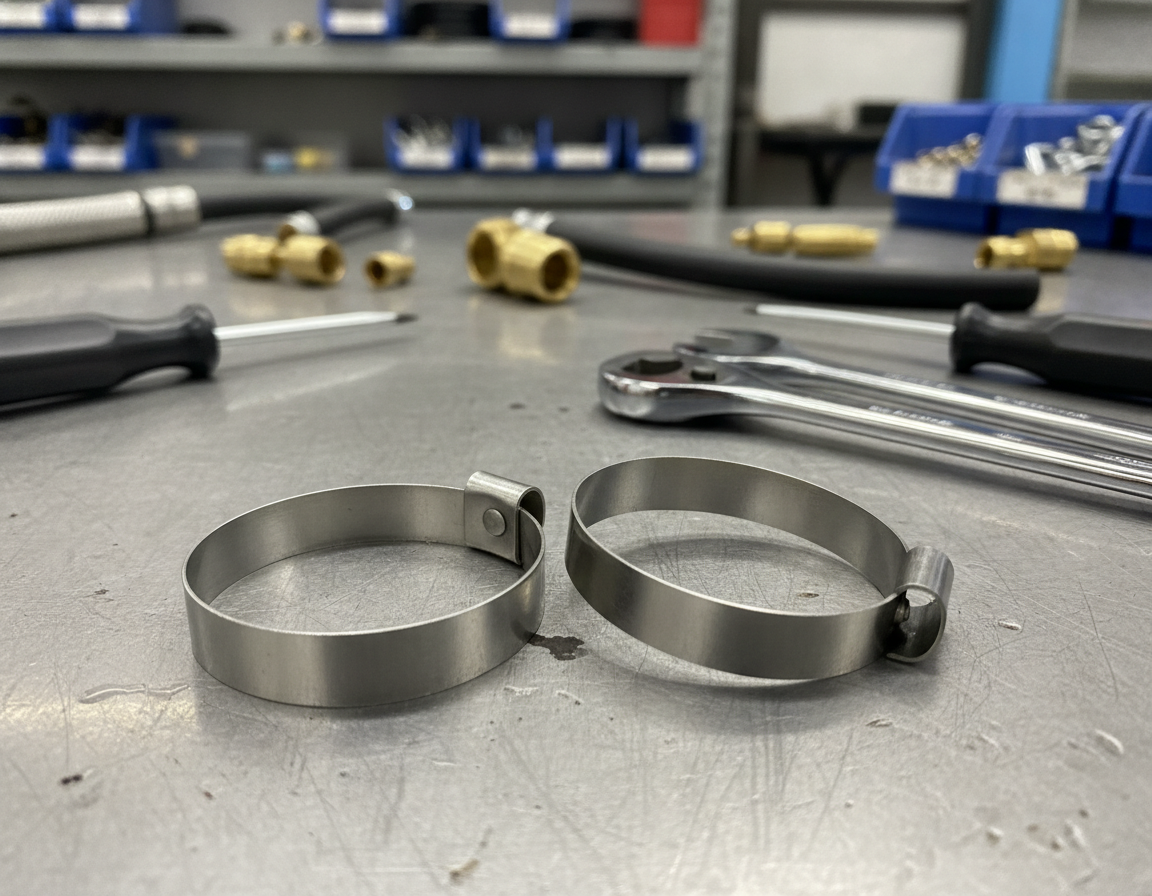
Measure and cut tubing runs with a clean, square cut. Use ear clamps, barb fittings, and crimp them securely. Test each joint for leaks with a soap solution before completing the installation.
Label each line with permanent markers or adhesive tags, indicating syrup brand and flavor. Labeled lines streamline syrup swaps and troubleshooting, reducing service interruptions.
Mounting the gun housing, drip cup connections, and ventilation space
Attach the mounting plate and secure the soda gun housing to the bar using suitable fasteners. Connect the hose from the gun to the drip cup for spill and condensate drainage. Empty and clean drip trays daily for hygiene and appearance.
Ensure proper ventilation clearance around refrigeration units and carbonators, adhering to manufacturer specifications. Adequate airflow prevents overheating and facilitates safe access for routine checks.
Working with a distributor and sourcing from Installation Parts Supply
Acquire reliable soda gun parts and supplies from reputable plumbing wholesalers and distributors, such as Installation Parts Supply. Source beverage-grade hoses, ear clamps, barb fittings, nozzles, cold plates, and replacement components that match equipment specifications.
Collaborate with experienced installers or equipment specialists for calibration of Brix ratios, CO2 regulator setup, and leak testing. Maintain a stocked spares list for ear clamps, barb fittings, nozzles, and hoses to minimize downtime of the soda gun dispenser.
Maintenance, Cleaning, And Common Troubleshooting
Regular care is essential for a commercial soda system’s reliability and taste. Daily tasks, weekly sanitation, and scheduled service prevent downtime. Always use genuine soda gun parts for replacements to maintain performance and flavor.
Daily nozzle and valve cleaning routines
At the end of the day, remove nozzles and clean valve faces to prevent syrup drying. Soak removable tips in a manufacturer-approved cleaner and rinse with potable water. Clean drip trays and wipe the soda dispenser gun’s external housings to avoid sticky buildup.
Weekly sanitizing for lines and drip trays
Sanitize syrup and water lines weekly, following the manufacturer’s instructions. Flush lines with an approved sanitizer, then run potable water until all residue clears. This prevents flavor carryover. Also, disassemble ice chutes and dispensing areas for a deeper clean when present.
Ongoing maintenance: CO2, filters, and service visits
Regularly check CO2 tank pressure and test fittings with a soap solution for leaks. Replace water filters every three to six months to protect the carbonator and maintain taste. Schedule seasonal inspections for refrigeration, cold plates, and overall calibration by a certified technician.
Common problems and how to identify them
- Syrup buildup: sticky nozzles or slow pour — inspect nozzles, clean lines, and swap worn gaskets for correct sealing.
- Flat soda: poor carbonation often signals low CO2 pressure, an empty cylinder, or inadequate cooling — inspect tank levels and temperature.
- Leaks: follow wet spots back to ear clamps, barb fittings, and hose connections — tighten or re-crimp tubing and replace worn soda gun parts.
- Flavor contamination: off-tastes signal cross-connection or poor sanitizing — flush lines and verify correct labeling and hose routing.
When facing persistent faults, follow the equipment maker’s troubleshooting steps before replacing parts. Keep a basic parts kit with extra nozzles, O-rings, and clamps for quick repairs and uninterrupted service.
Key Components, Parts, And Upgrades For Longevity
Ensuring a commercial soda system’s reliability hinges on the right parts and timely upgrades. Regular maintenance of wear items prevents downtime and safeguards profit margins. Below, we highlight the core components and optional enhancements critical for sustained performance.
Core soda gun parts
- Removable soda gun nozzle pieces facilitate daily cleaning, reducing syrup buildup. Replace nozzles at the first sign of wear to maintain flow and flavor.
- The beverage path relies on food-grade hoses, ear clamps, and barb fittings. Maintain spare hoses and clamps so leaks can be fixed quickly during busy periods.
- Choose a cold plate for soda gun systems that matches valve count and peak demand. A properly sized cold plate keeps drinks at the right temperature and reduces foaming.
- CO2 regulators and carbonator components need regular service. Worn diaphragms and seals can hurt carbonation and should be inspected routinely.
Optional upgrades for better control and visibility
- Portion-control valves provide fixed pour volumes and reduce over-pouring. Busy venues use them to protect profit margins.
- IoT soda gun monitoring can alert staff to low syrup, low CO2, and temperature drift. Remote dashboards help managers troubleshoot multiple sites.
- Touchscreen interfaces and flavor-infusion modules offer upsell opportunities for self-serve formats. They simplify customization for guests and staff.
Ice-related upgrades and bin selection
- Integrated ice-and-beverage dispensers combine ice handling and beverage lines to speed up service. Select ice bin capacity based on peak demand, from compact 100 lb bins to large 580+ lb commercial units.
- Select ice type based on dispense profile. Cubed ice melts slower, preserving dilution. Cubelet or nugget ice chills faster but can dilute drinks sooner.
Where to source reliable parts and service
- Source hoses, clamps, fittings, nozzles, and installation hardware from established plumbing wholesale distributors. Good supplier relationships help reduce lead times.
- Installation Parts Supply keeps common replacement parts and installation hardware in stock for service technicians. Maintaining a local account can help with urgent part replacement.
- Work with certified service technicians for routine inspections. A standing maintenance agreement can reduce unexpected failures and extend equipment life.
Cost Considerations And Return On Investment
Installing a commercial bar soda gun system involves various costs. These include the initial purchase of a soda gun machine, a cold plate or refrigeration unit, a carbonator, a CO2 tank, water filtration, and professional installation. Skilled technicians ensure proper installation, including tubing, crimps, mounting, and refrigeration hookups. This is essential for warranty protection and long-term performance.
Starting Costs
Basic handheld setups are more affordable than full fountain towers. Investing in a quality bar dispenser gun and a reliable cold plate increases the initial cost. Mechanical refrigeration and a commercial carbonator are additional expenses for higher volume or strict temperature control needs.
Operating Costs
Operating the system involves ongoing expenses. These include BiB syrup, CO2 refills, water, filter cartridges, electricity, and cleaning supplies. Regular service and part replacements are necessary to maintain freshness and consistency. Tracking monthly operating costs helps in budget forecasting.
How To Estimate ROI
Post-mix serving costs are significantly lower than bottled or canned drinks. Many venues see a return on investment within months, depending on volume. Calculating ROI involves comparing cost-per-serving, increased throughput, and higher check averages against initial and ongoing expenses.
Budgeting For Replacements And Spares
It’s important to budget for replacements and spares. This includes nozzles, hoses, clamps, regulators, and periodic cold plate service. Having spare parts readily available, sourced from established distributors like Installation Parts Supply, can minimize downtime. For those considering a soda gun for home, similar spare parts and basic maintenance should be planned for.
Practical Buying Checklist
- Request several quotes for equipment and installation.
- Review long-term costs in comparison with bottled and canned beverages.
- Factor labor savings from faster pours and self-serve options.
- Allocate a maintenance contract to protect uptime and quality.
Closing Summary
Commercial Bar Soda Gun Systems bring significant benefits to establishments that frequently serve fountain drinks. These systems, which include a post-mix soda gun dispenser, Bag-in-Box syrup, CO2, chilled water, and a carbonator, significantly reduce costs and enhance service speed. The right bar soda gun system ensures it meets the venue’s volume and service needs.
Ensuring the soda gun is set up correctly and maintained regularly is essential for consistent quality. This includes proper handling of tubing, ear clamps, barb fittings, and labeling. Daily nozzle cleaning, weekly line sanitizing, CO2 checks, and filter replacement are also critical. These steps keep the machines running smoothly and extend the life of the soda gun parts.
Adding features like portion-control valves and IoT monitoring can further reduce waste and improve consistency. Obtaining supplies from trusted sources, such as Installation Parts Supply, also helps minimize downtime. When implemented and maintained properly, a soda gun dispenser offers faster service, reduced storage needs, and a strong return on investment for bars, restaurants, and other venues.