Expand Your Coverage with Service-Area SEO
For anyone running a on-the-go or non-storefront business, like a plumber or air-conditioning services, your customers come to you. SAB SEO is a specialized approach to local search. It lets you appear in the places you serve, not just where you are based.
Since page two gets minimal clicks, your SEO strategy needs to push you onto page one. This means targeted marketing1on1.com, setting up your Google Business Profile, publishing unique area-specific pages, and earning local backlinks.
Marketing1on1 specializes in custom SEO strategy and local SEO services for SABs. They help you reach beyond your base city without adding new storefronts. The right plan increases visibility across towns and ZIP codes, brings in ready-to-buy local visitors, and grows calls and bookings.
Quick Wins
- Focus on the areas you actually serve, not just a single HQ.
- A focused SEO strategy is critical because most users rarely view results past page one.
- Key moves: GBP optimization, localized pages, keyword research, and backlink building.
- Agency support helps you scale without new offices.
- Measure and refine sustains visibility and competitiveness.
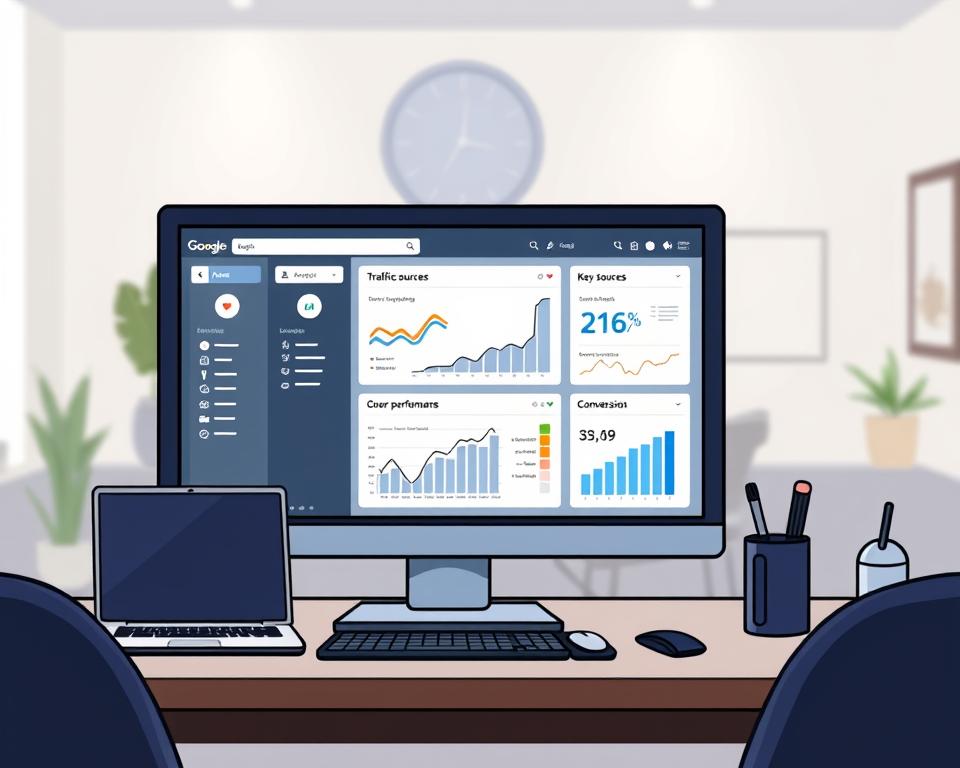
What service area business SEO is and why it’s important for field-service businesses
Service area business SEO helps companies that travel to customers rank for searches across the areas and ZIPs they serve. You don’t need street visibility or a public storefront. Instead, you define service boundaries and use area targeting to reach people where they live and work.
Use local SEO services differently when you run a mobile operation. Classic local SEO assumes a storefront and walk-in customers. SAB optimization targets intent across a radius and targets queries like “emergency plumber [city]” or “mobile groomer near me.”
Ideal for plumbers, electricians, landscapers, HVAC techs, pest control pros, mobile groomers, and junk removal teams. Each business benefits from pages and keywords mapped to specific towns and ZIP codes to capture high-intent searches.
Key benefits include a wider reach without extra storefronts, more targeted traffic from locals, and improved conversion when your pages match local needs. Blend SAB optimization with strong organic foundations, you build credibility across the regions you serve.
SAB Local Search Challenges in local search
No public store—this makes it tough to attract local customers. You still must prove locality.
Proximity vs. Hidden Address
Google favors businesses with addresses near the searcher. Local Pack visibility is tougher if you hide your address.
Counter this, show local signals through reviews, area content, and consistent citations. That improves SAB relevance and supports relevance.
Storefront Advantage
Businesses with physical stores often get map prominence and pull more traffic. You compete with big chains and local rivals that get a ranking boost.
Smart research can find gaps to fill. Use local SEO services to find areas not well-served and craft targeted offers.
Avoid Copy-Paste Pages
Repeating content reduces relevance. Near-duplicates struggle, making it harder to rank for different areas.
Build unique city pages with specific services, neighborhood references, client photos, and detailed FAQs. Align NAP everywhere to avoid confusion and boost credibility.
| Challenge | Why it matters | Action you can take |
|---|---|---|
| No storefront | Google proximity bias favors nearby verified addresses | Build local signals: reviews, area-specific content, service pages |
| Storefront competition | Physical locations often capture map visibility and clicks | Use competitor research and targeted local SEO services to find gaps |
| Duplicate location pages | Thin content harms rankings and user trust | Create unique pages with images, reviews, case studies, and local details |
| Inconsistent citations | Confuses search engines and weakens authority | Audit and standardize NAP across directories and platforms |
GBP Setup for SABs as a service-area business
First, create your GBP and choose the service-area business option. This hides your street address but lists the cities or ZIP codes you serve. Keep areas realistic and stay within guidelines.
Pick accurate categories. Use one primary and a few secondary. Keep services accurate. Good categories improve matching and boost your local SEO.
Fully complete your profile. Include name, phone, site. Cover hours/payments/languages/access. Use the services section to detail offerings with short descriptions and prices.
Upload a business logo, team photos, and project images. They showcase workmanship and help with SAB SEO.
Curate your area list. Include no more than 20 areas. Tailor short descriptions or photos for key areas. That expands area relevance.
Request reviews with neighborhood mentions. Those details boost locality.
Use GBP posts to share promotions, news, and short blog excerpts. Highlight recent jobs, limited-time offers, or seasonal tips. Keep posts concise and refresh content every week or two.
Answer Q&A and reviews promptly. Acknowledge wins and fix problems. Good replies build trust and engagement for SAB SEO.
Watch metrics and adjust. Monitor queries/calls/directions in GBP. Tune areas/categories/posts to top cities. Iteration maintains competitiveness.
On-Page Strategy for service-area pages and site structure
Ship responsive pages per area. Avoid duplicates; keep each page unique. Use local proofs, named techs, and images to build trust and on-site relevance.
Localize titles/Hs/metas. Use natural targets in slugs and alts. Keep headings short with town names.
Link blog articles and regional hub pages to each location page. Group nearby cities under a regional hub to aid crawling. Spokes improve UX and strengthens relevance.
Apply schema and structured data to every service-area and location page. Declare NAP/services/areas. Rich snippets increase visibility in map packs and features.
Keep each location page focused. Write simply, one idea per paragraph. Aim for a steady rhythm of local keywords without stuffing.
Area Keyword Research for geo-intent queries
Inventory services and coverage. Map them to search demand. Prioritize intent-matched terms.
Leverage Google tools. Bring in competitive tools. Target “near me” + ZIPs. Pick moderate volume, low KD.
Long-tails convert strongly. Phrases like “same day emergency plumber [city]” show urgency. Check competitors and focus on terms matching your services.
Answer local questions with proof. Use guides, project pages, and case studies to increase credibility. Cross-link blogs to locations to strengthen internal signals.
Use this table to plan content by intent and format.
| Keyword Intent | Example Long-tail Keywords | Recommended Content Type | Conversion Goal |
|---|---|---|---|
| Urgent service | same day emergency plumber Boston MA | Emergency service page with CTA and hours | Phone call or booking |
| How-to DIY | how to stop toilet running Arlington VA | Step-by-step guide with local tips | Newsletter sign-up, service inquiry |
| Project proof | basement waterproofing before and after Denver | Case study with photos and project details | Estimate request |
| Neighborhood search | landscaper near Beacon Hill Boston | Neighborhood landing page with FAQ | Location-specific booking |
| Seasonal need | winter furnace tune up Queens NY | Seasonal tips and service promos | Scheduled maintenance calls |
Keep an eye on keyword performance and adjust. A mix of discovery and targeted location pages will increase local leads.
Off-Page Signals to establish area authority
To rank well, focus on off-page optimization. Blend outreach + community + citations. These steps help Google see real-world presence.
Building backlinks through partnerships, sponsorships, and community involvement
Partner with allied trades for links. Sponsor local events (Little League, school fundraisers) to pick up local press. Create a Local Events page and invite partners to list. This attracts links and shows local ties.
Citation Consistency
Ensure your business name, address, and phone are the same everywhere. For SABs, list service neighborhoods instead of a storefront. Prioritize quality directories.
Pick High-Value Directories
Check domain authority, local traffic, and city-term rankings. Favor trusted local sources. Guest posts, podcasts, and expert contributions earn stronger links.
Use a simple spreadsheet to track citations and backlinks. Record platform, NAP string, date, score. Prune low-value listings and focus on high-impact partners.
Cross-Channel Local Promotion to boost visibility
Localize socials with neighborhoods. Highlight community work. Tie posts back to GBP with matching offers and images.
Nextdoor & Facebook Groups
Publish city-focused snippets. These platforms reward community relevance—keep captions short and add clear CTAs.
Proof-Driven Creatives
Before-and-after photos raise conversion rates. Mention the ZIP for locality. Sponsor PTA or Little League to build brand locally supporting SAB SEO.
Drive Calls with GBP Posts to increase engagements
Echo promos on GBP. Short copy, a strong image, and a clear button drive calls and bookings. Attribute calls to posts and repeat what works.
| Channel | Best Content | Key Action |
|---|---|---|
| Google Business Profile | GBP posts, event updates, service highlights | Post weekly with local offers and matching blog links |
| Nextdoor | Neighborhood case studies, short tips, sponsorship news | Engage in threads and respond within 24 hours |
| Facebook Groups | Before-and-after photos, reviews, short clips | Share local successes and invite direct messages |
| On-site & printed touchpoints | QR to review pages, lead magnets, receipts | Include QR on invoices and flyers to boost reviews |
Blend social + GBP + promos to drive local demand. Localize your messaging to remain relevant.
Measure What Matters to guide improvements
Create a measurement routine. Combine GBP, site, and rank data. Identify what’s working and refine targeting.
Connect platforms
Connect GSC and GA. See which keywords lead to clicks and which pages convert. Find crawl/index gaps.
GBP Monitoring
Track views, searches, calls, messages, and clicks. Slice by city and week. Find what resonates and improve weak items.
Track Ranks by Area
Track map + organic per city. Split by device to see divergences.
| Metric | Source | What to watch | Action |
|---|---|---|---|
| Search queries & impressions | Google Search Console | High-impression terms with low CTR | Rewrite titles/metas for local intent |
| Sessions & conversions | Google Analytics | High-traffic pages with low actions | Improve CTAs and service pages |
| GBP views, searches, calls | Google Business Profile | Areas with rising calls but falling clicks | Update areas and post local offers |
| Local rankings | Rank-tracking tools | Map Pack fluctuations by ZIP | Audit citations, links, on-page signals |
| Site health | Technical crawlers | Broken links, slow pages, index errors | Fix issues, speed up, submit sitemap |
Routine audits and reporting
Weekly GBP, monthly analytics, quarterly ranks. Use standard reports to compare over time.
Synthesize Data
Layer metrics together to prioritize work. Identify neighborhoods needing more content, pages to enhance, and which areas to promote.
Location-Specific Reviews across service areas
Coverage across towns needs signals. Reviews prove locality and help SEO. Run a structured review process in each area.
Geo-Specific Reviews
Request locality + task in feedback. “repaired our heater in Arlington” links the review to an area. Coach techs to request.
Make leaving reviews simple
Add QR + short emails + one-click link. If you offer incentives, confirm platform rules first.
Reply Fast
Reply within 48 hours. Be gracious and solution-oriented. Good replies improve sentiment.
Monitor by Area
Record volume + sentiment by city to find weak zones. Report monthly.
| Step | Action | Goal |
|---|---|---|
| 1 | Technician completes job and hands a QR review card | Immediate prompt increases conversion |
| 2 | Automated SMS with direct review link within 2 hours | Reduce friction; capture fresh impressions |
| 3 | Follow-up email with short testimonial template + location prompt | Encourage neighborhood/service mentions |
| 4 | Customer posts review; team logs it under the right area | Enable targeted reporting |
| 5 | Public response within 48 hours; route issues to support | Show responsiveness and protect trust |
A steady review engine and active responses lift rankings and conversion. Back it with on-site/off-site SEO for long-term growth.
Smart Scaling: defining service-area limits and multi-location strategies
When expanding beyond a single area, draw practical boundaries. Reflect real travel times and staff locations. This keeps expectations clear for customers and Google.
Keep one GBP within ~2 hours. If drives exceed two hours often, relevance can drop. Consider a separate GBP with an address near the area.
With multiple crews in different bases, run distinct listings. It improves verification and routing. Keep verification clean.
Choose hubs vs. city pages. Hubs suit many small towns with one authority page. When you have depth, use city pages. Work with experts on IA.
Apply multi-location playbooks. Attribute calls and jobs. Adjust boundaries, add hubs, or create new listings as needed.
service area business SEO
Build on GBP + fast mobile site with clear pages for each location. Use on-page optimization to target phrases per area or ZIP. Standardize citations to reinforce local trust.
Blend on-page and off-page. Add reputation management. Start with keyword research, check competitors, and set up GBP. Publish pages, localize content, improve UX.
Integrate analytics. Build backlinks and citations. Measure impact. Use lead magnets to capture visitors not yet ready.
Be precise with areas and schema. Grow without new storefronts. Track organic performance and adjust strategy as needed.
If you want a partner, consider Marketing1on1 for a local SEO plan. They unify strategy and execution to increase visibility across service areas.